What Should I Realistically Expect From a Tutor?
What Should I Realistically Expect From a Tutor?
Every child is different.
That’s why every tutoring session I offer is customized, built around your child’s pace, personality, and how they best stay engaged.
I don’t instruct with approaches that overlook individuality.
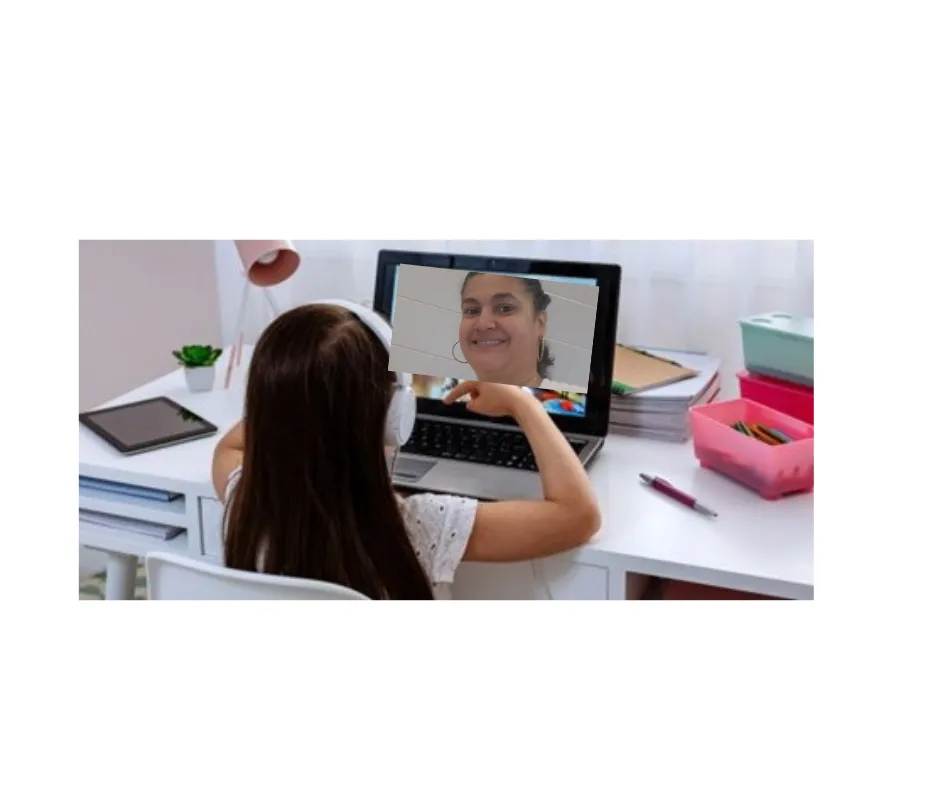
Instead, I work as an online math coach, offering one-on-one support that includes regular check-ins, personal feedback, and targeted guidance. My goal is to help your child not just catch up, but stay ahead and feel good about themselves in the process.
Personalized Sessions, Built for Real Progress
Before diving into any math content, I take time to understand how your child works. Through conversation, observation, and an assessment, I get a sense of where they are and how we can make math feel manageable.
Then I design each session around them.
We use a platform called PencilSpaces, where your child gets their own private online classroom filled with tools like sticky notes, boards, manipulatives, and writing tools.
The best part? They can log in anytime to review or study what we’ve covered, no extra emails, no chasing down homework sheets.
Every 8–10 weeks, I assess your child’s progress.
We look at what’s working, make any needed changes, and celebrate the wins. These check-ins help your child stay on track, and parents really appreciate the regular updates.
Realistic Expectations: What Should a Tutor Actually Do?
This is one of the most common questions parents ask online—and it’s a great one.
So here’s what you can realistically expect from me as your child’s tutor:
Personalized instruction that actually targets their needs, not just general review
Consistent sessions that build trust, comfort, and steady growth
Clear progress tracking so you’re never left wondering if it’s helping
Adaptability, we shift methods if something isn’t clicking
Encouragement, because confidence is just as important as correct answers
Tutoring isn’t an overnight fix. But small, consistent wins lead to big changes. When tutoring is personal and supportive, kids begin to believe in themselves again—and that’s when real progress happens.
A Quick Success Story: Susy’s Turning Point
One of my students, Suzy, had been struggling with fractions for weeks. She felt frustrated, and it was starting to affect her confidence.
So, we slowed things down, used a simple note-taking method and quick verbal check-ins, and it clicked. She started to remember the steps without needing her notes.
The result? A 90 on her next math test, her highest score of the year. Her mom told me it was the first time Susy had smiled after math in months.
That’s the kind of shift I want every student to experience.
Keeping Students Engaged
Not every student loves math, and that’s completely okay.
In my sessions, I make space for movement, curiosity, and fun.
We take “brain breaks,” play quick math games, and use mini-challenges to keep the energy up. Some students need to stand, move around, or pause between tasks. I welcome that. The goal is to create a learning space that works for them, not force them into one that doesn’t.
When kids enjoy learning, even just a little, they show up ready to try.
Final Thoughts
If you’re asking yourself, “Will tutoring actually help?”, you’re not alone. It’s one of the most common concerns I hear.
The answer is yes, when the tutoring is flexible, consistent, and personalized to your child’s needs.
As an online math coach, I’m not just here to help with homework.
I’m here to help your child build confidence, feel successful, and develop a healthy relationship with math that lasts.